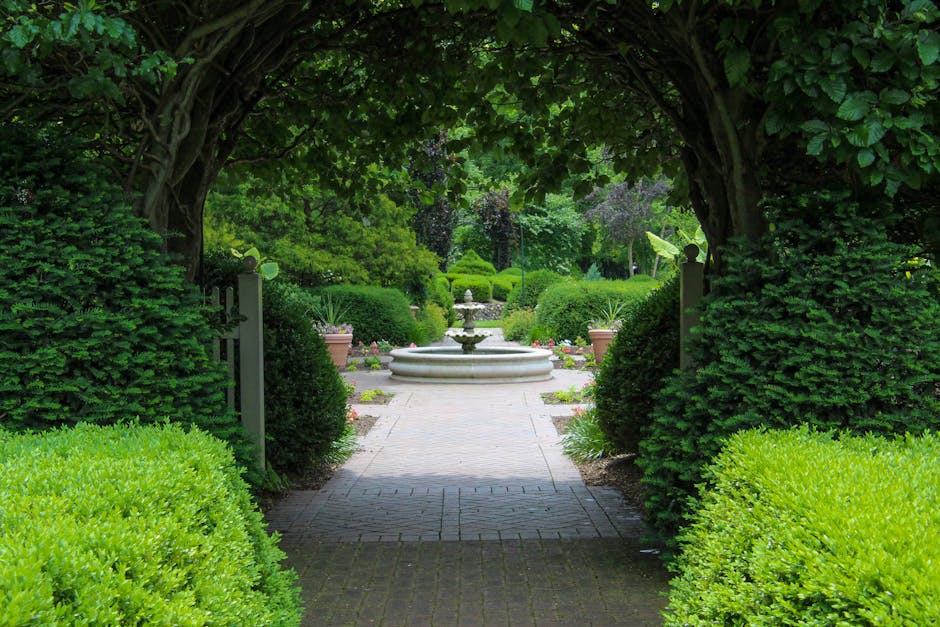
A Methodical Framework for Outdoor Environments

The planning of an outdoor space involves a structured sequence of considerations. Initial analysis examines site-specific factors such as topography, existing vegetation, and sunlight patterns. This data informs the development of a design concept, which integrates functional zoning with aesthetic principles. The subsequent phase involves the selection of materials and plant species based on documented characteristics and local suitability. Installation follows a predefined schedule, coordinating various elements like hardscape construction and planting. The process concludes with the provision of maintenance guidelines for ongoing site management. This framework is intended to provide a transparent overview of common procedures in landscape development.

Our Analytical and Design Methodology

Verdant Designs operates within a framework focused on the systematic analysis and planning of outdoor areas. Our approach begins with a detailed site assessment to gather contextual information. This data serves as the foundation for developing custom design plans that consider spatial organization and material selection. We facilitate the coordination of installation activities, which may involve hardscape construction and the placement of plantings. The methodology is presented as an informational resource for homeowners and property managers considering changes to their exterior spaces.
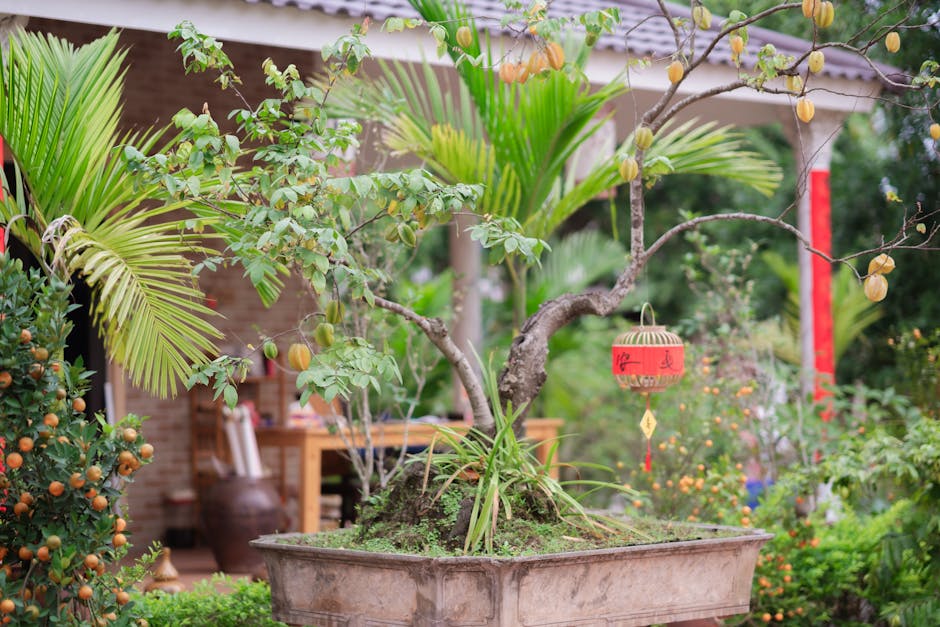
A serene garden scene with lush greenery, a bonsai tree, and a decorative lantern.

A Four-Phase Planning Sequence

  • 01

    Site Assessment & Data Collection

    Gathering information on topography, soil conditions, and existing site features to establish a baseline.

  • 02

    Concept Development & Plan Drafting

    Creating preliminary layouts and visual concepts that integrate functional zones and proposed elements.

  • 03

    Material & Specimen Selection

    Identifying suitable construction materials and plant varieties based on project parameters and site data.

  • 04

    Implementation Coordination

    Overseeing the scheduled installation of hardscape features and the placement of selected plantings.

Client Perspectives on the Planning Process

Considering Hardscapes and Plantings

The integration of hardscape and planting elements is a common consideration in landscape planning. Hardscapes, such as pathways or patios, are evaluated for material durability and spatial function. Plant selections are often based on factors like seasonal interest, growth habits, and compatibility with local conditions. The arrangement of these components follows design principles aimed at creating cohesion within the outdoor space. This information is presented for general consideration in the planning stages.

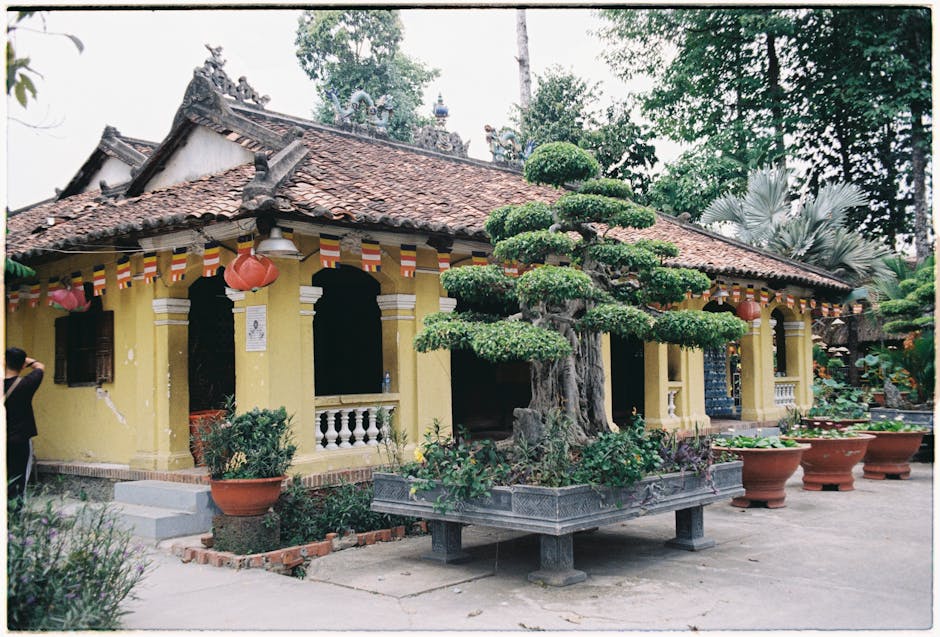
A traditional yellow house adorned with lanterns and surrounded by lush greenery and bonsai trees.

Coordination for Residential and Commercial Properties

Verdant Designs facilitates landscape planning services for both individual homeowners and property management entities. The scope of work can vary from small residential gardens to larger commercial site enhancements. Our role involves creating detailed plans and specifications that contractors can reference. We maintain a library of material samples and plant catalogs to assist in the selection process. The objective is to provide a structured framework that can be adapted to different project scales and client requirements.

The Project Coordination Timeline

  1. Initial Consultation & Objective Discussion

    A meeting to discuss project scope, budget parameters, and review the initial site assessment report.

  2. Detailed Design Finalization

    Refining the concept into construction-ready drawings and finalizing all material and plant specifications.

  3. Pre-Installation Review

    A final walkthrough of the site with all involved parties to confirm the plan and installation schedule.

  4. Project Documentation Handover

    Providing the client with final plans, product information, and suggested maintenance schedules.

Frequently Asked Questions

  • What is typically included in the initial site analysis?
    The analysis generally involves measuring the site, noting sunlight patterns, assessing soil type, and documenting existing structures and vegetation. This data is compiled into a report.
  • How are plant species selected for a design plan?
    Selections are based on multiple documented factors, including the plant's mature size, sunlight and water requirements, seasonal characteristics, and suitability for the local climate in Japan.
  • What types of hardscape materials are commonly considered?
    Materials such as natural stone, pavers, gravel, and timber are often evaluated for their aesthetic qualities, durability, permeability, and maintenance needs within the design context.
  • How long does the design and planning phase typically take?
    The duration can vary depending on project complexity and site size. A general timeframe for developing preliminary concepts into final plans is often several weeks.
  • Do you provide ongoing maintenance services?
    Verdant Designs focuses on planning and design. We provide informational guidelines for care but typically do not perform routine maintenance. We can refer you to local gardening services.

Adapting Designs to the Japanese Context

Operating in Japan, Verdant Designs considers regional climatic conditions and traditional aesthetic principles in its planning. This may involve selecting plant species that thrive in the local environment and incorporating design elements that respond to seasonal changes. The approach respects the integration of nature and built form often seen in Japanese garden design. Our plans are developed with an awareness of these contextual factors, providing a framework that can be sensitive to local styles and practical requirements.

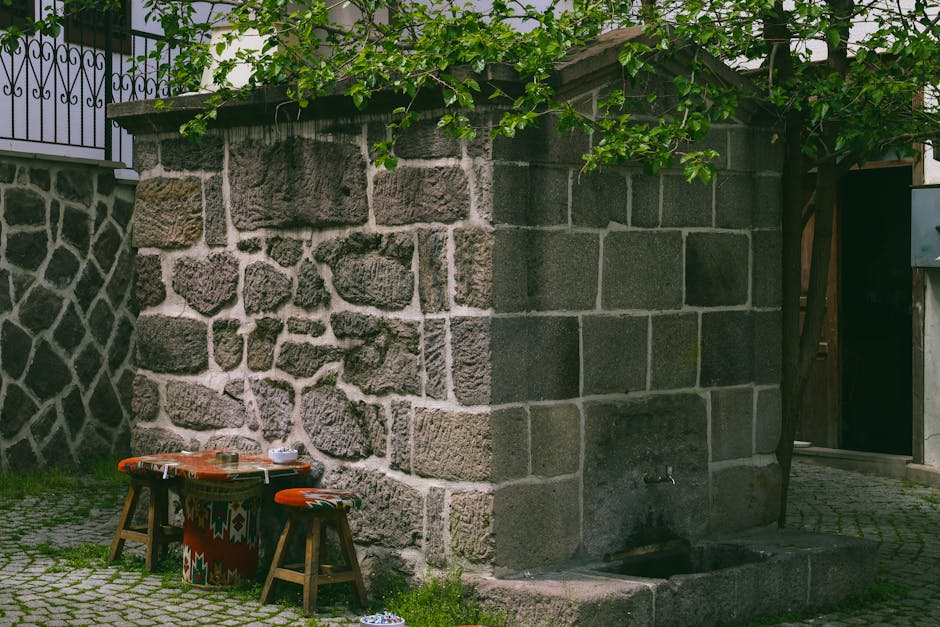
A rustic outdoor stone fountain with wooden stools on a cobblestone path, surrounded by greenery.

Planning for Seasonal Variation

A characteristic of landscape planning is accounting for seasonal change. Designs may consider elements that provide interest across different times of the year, such as flowering periods, autumn foliage, or evergreen structure. This long-term perspective is part of the initial planning framework. The selection of materials also considers their performance and appearance under varying weather conditions, from summer heat to winter rains.

Elements of the Planning Framework

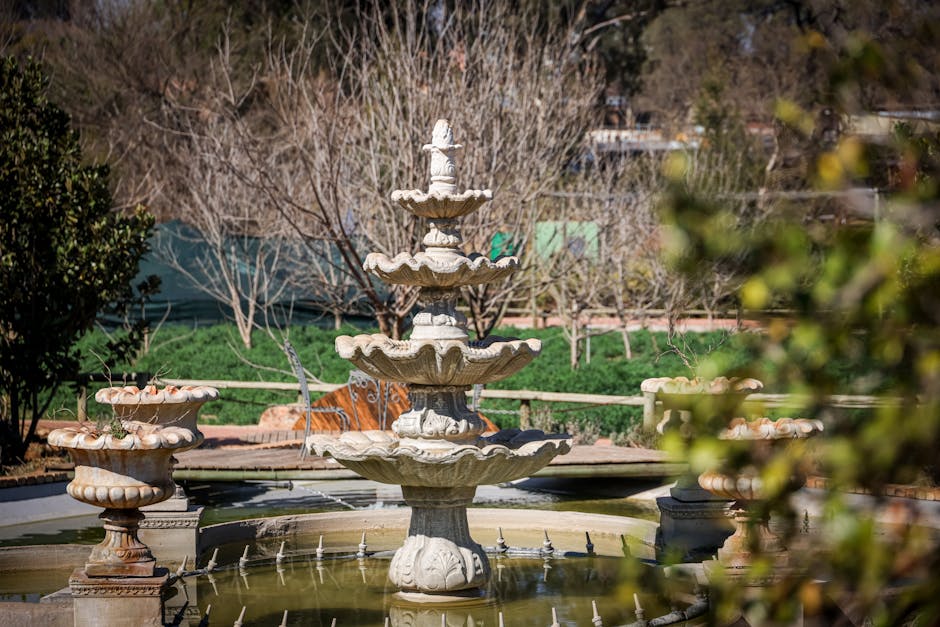
A beautifully crafted tiered fountain enhances the serenity of a lush garden, surrounded by greenery.

Project Planning Examples

The following images illustrate different stages and outcomes from previous planning projects, showing a variety of spatial layouts and material applications.
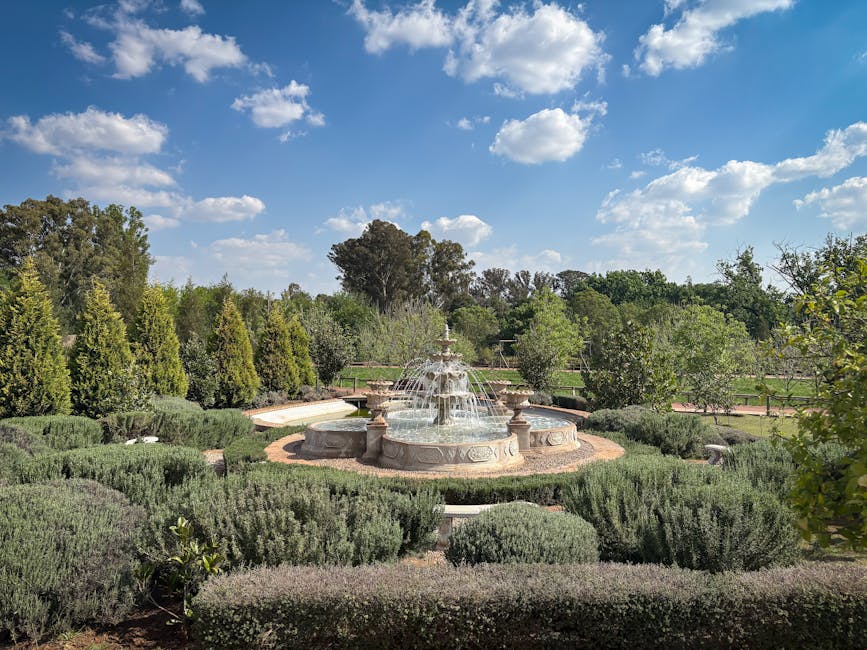
Tranquil stone fountain surrounded by greenery under a bright blue sky in a lush garden.
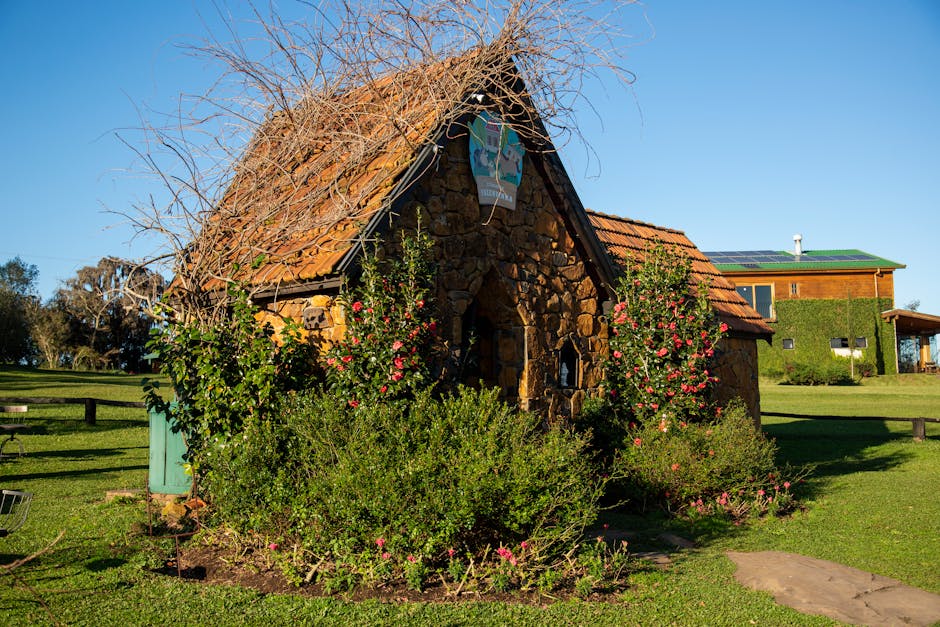
Charming rustic stone cottage surrounded by lush greenery and blue sky.
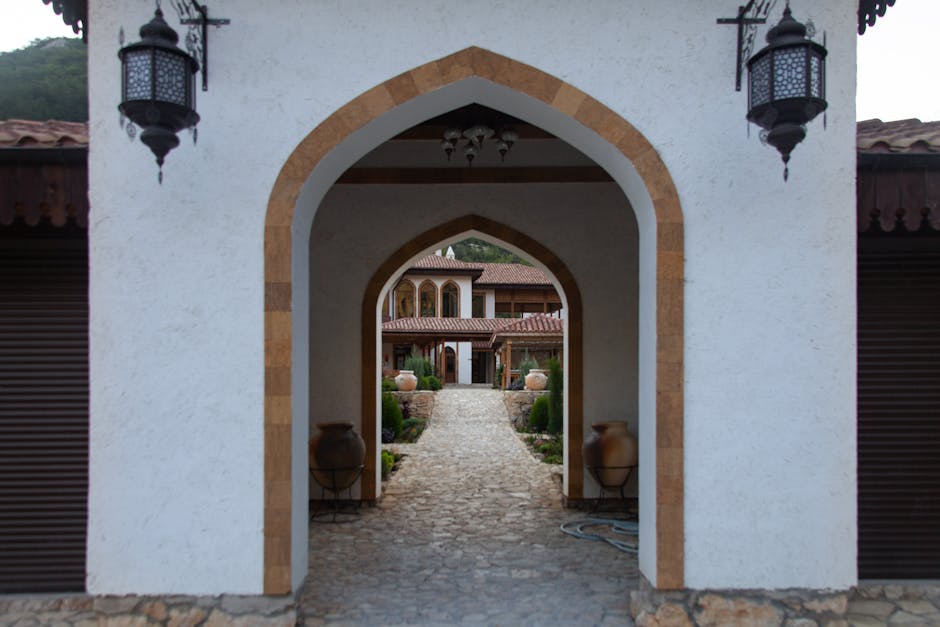
Picturesque cobblestone path leads through Mediterranean archway to a villa.
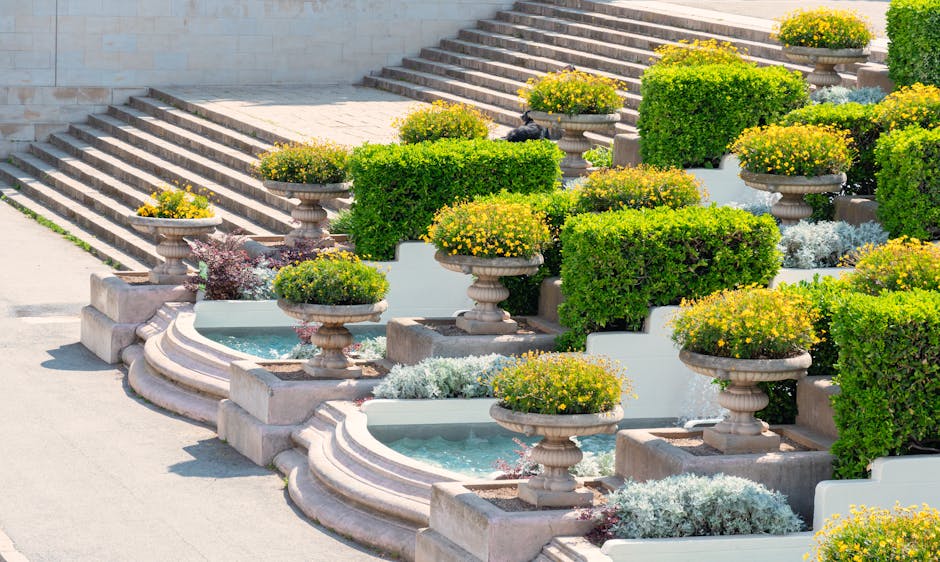
A beautifully designed garden featuring terraced planters and a stone staircase, ideal for landscaping inspiration.

The Role of Sustainability Considerations

Modern landscape planning often incorporates considerations for environmental sustainability. This can include selecting native or drought-tolerant plants to reduce water use, specifying permeable paving materials to manage stormwater, and planning for habitat creation. These aspects are presented as optional components within the overall design framework, allowing clients to consider their inclusion based on personal priorities and site conditions.

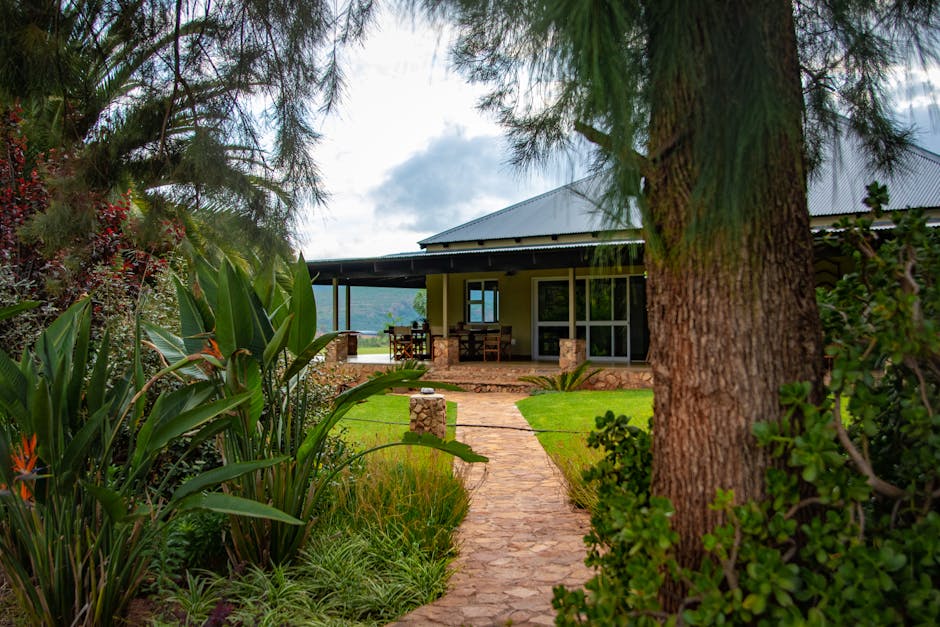
A scenic garden path leads to a charming country house under a cloudy sky.

Collaboration with Construction Specialists

Verdant Designs creates the plans and specifications, while the physical installation is typically carried out by licensed landscaping contractors. We can facilitate introductions to trusted partners and provide oversight to help ensure the installation aligns with the design intent. This collaborative model separates the creative and planning phase from the construction execution, allowing each specialist to focus on their area of expertise. Our documentation aims to provide clear guidance for the implementing teams.

Documentation and Support Provided

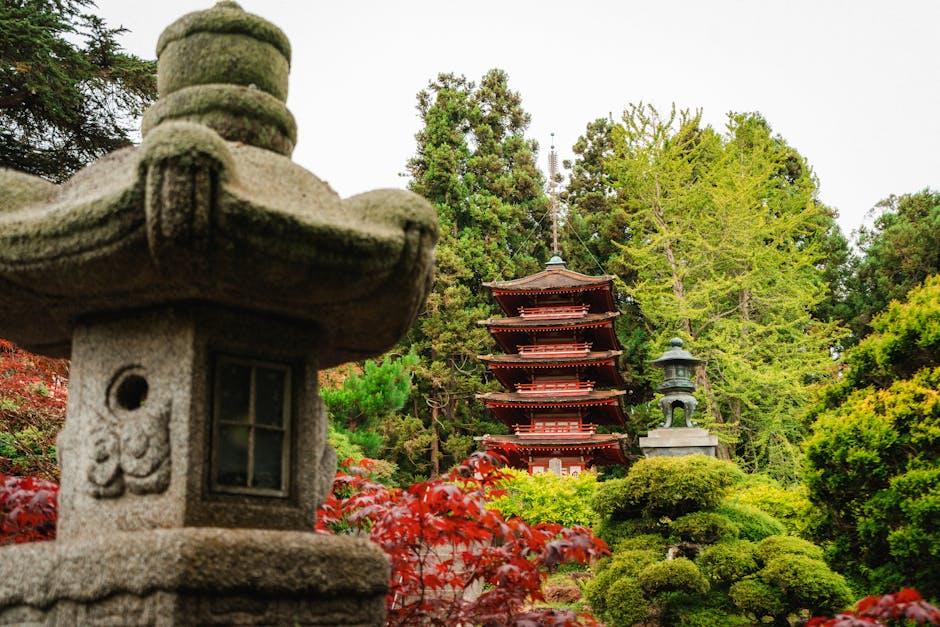
A peaceful scene of a Japanese pagoda surrounded by lush greenery and traditional stone lanterns.

Request Planning Information

To receive more information about our landscape planning services and process, please use the form below.

Information Request Form

Request Planning Information

To receive more information about our landscape planning services and process, please use the form below.

We use cookies

We use cookies to ensure the proper functioning of the website, analyze traffic, and improve your experience. You can accept all cookies or reject them β€” the site will continue to operate. For more details, read our Cookie Policy.